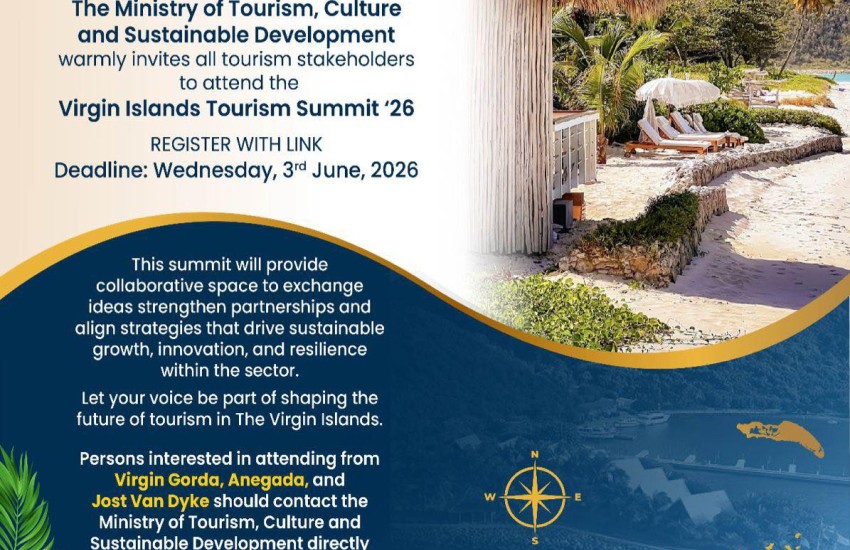
The Ministry of Tourism, Culture and Sustainable Development is inviting all tourism stakeholders to attend the Virgin Islands Tourism Summit '26 at Peter Island Resort
More
...
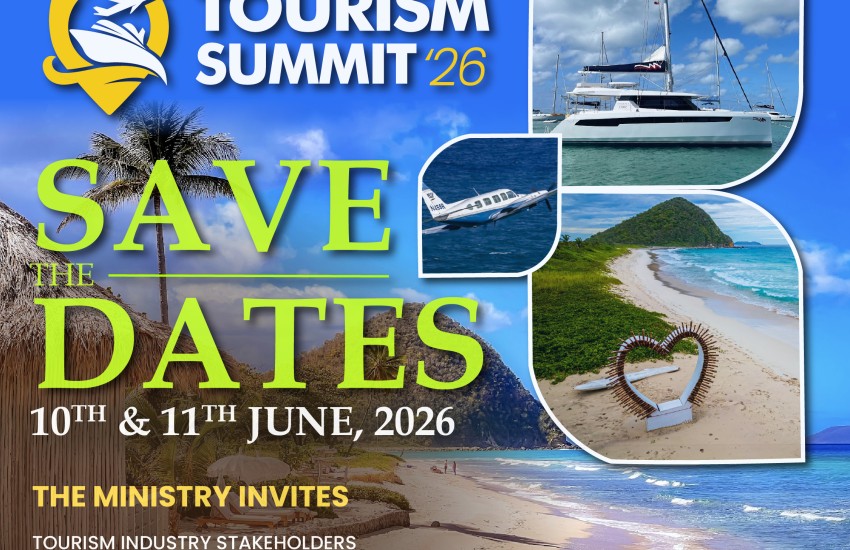
The Ministry of Tourism, Culture and Sustainable Development is pleased to announce that the Virgin Islands Tourism Summit ‘26 is scheduled to take place 10
More
...
The Government of the Virgin Islands today (17 March) convened a High-Level Dialogue on United Nations–Virgin Islands engagement for sustainable development, bringing together senior government
More
...
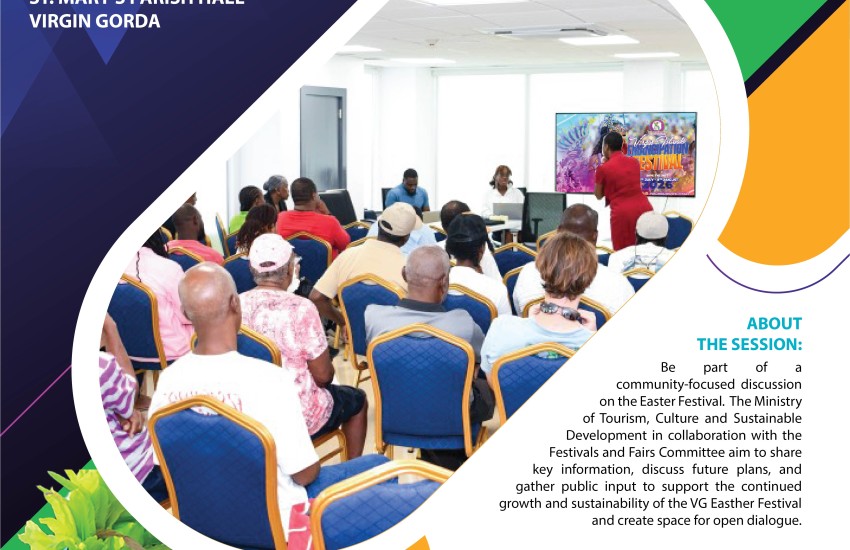
The Ministry of Tourism, Culture and Sustainable Development has described the Virgin Gorda Easter Festival Forum as a productive and forward-looking engagement that brought together
More
...
The Ministry of Tourism, Culture and Sustainable Development, in collaboration with the Festivals and Fairs Committee, will host the V.G. Easter Festival Forum on Monday
More
...
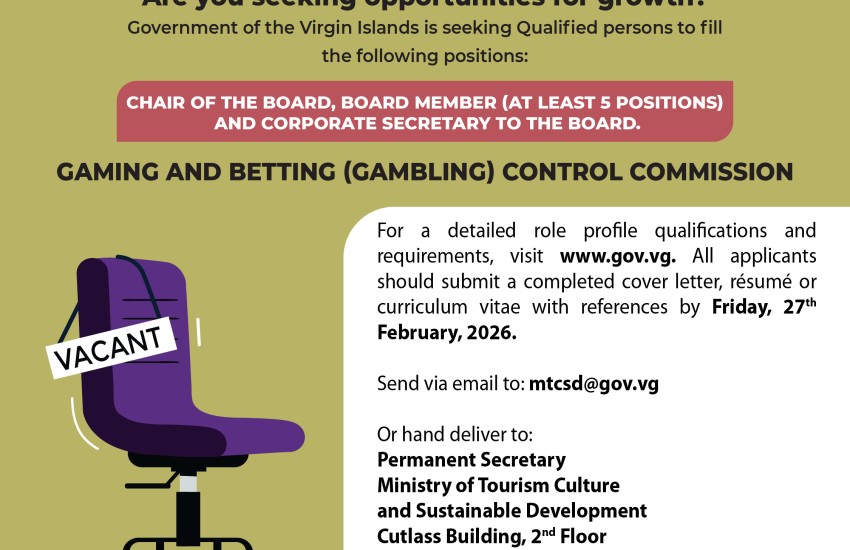
The Government of the Virgin Islands is seeking qualified persons to fill several positions on the Gaming and Betting (Gambling) Control Commission.
More
...
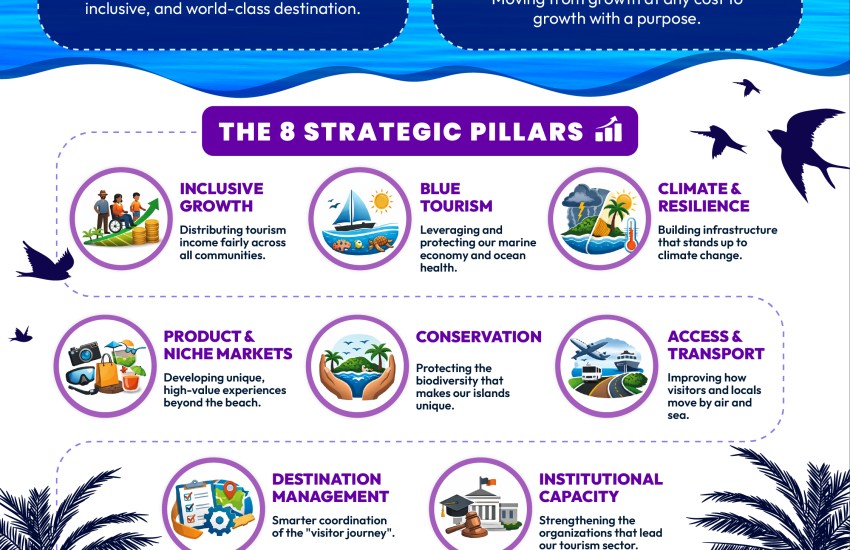
The Government of the Virgin Islands is making considerable progress towards finalising the Virgin Islands National Tourism Policy (2026-2036) and the draft is now available
More
...